What to Pack for St. John's
Complete packing checklist tailored to St. John's's climate and culture
Climate Overview for St. John's
St. John's hits you with a cold maritime climate shaped by raw, damp winds straight off the Atlantic. Winters drag on, with air that bites harder than the thermometer suggests thanks to relentless wind chill. You'll spot snow dusting the colorful Jellybean Row houses and feel sleet sting your face along the Battery. Summers arrive brief and cool, thick fog rolling in to muffle ships' horns in the harbour. Salt spray scents the air year-round. Dampness works its way into everything. Pack layers. Prioritize windproof shells and waterproofing. Leave the summer wardrobe at home. You need gear that handles sudden shifts from wet, chilly mornings to clear, crisp afternoons.
Clothing & Footwear

The wind along St. John's waterfront cuts like a knife. This jacket delivers insulation you can compress into a daypack on Signal Hill's interior trails, then deploy fast at the exposed summit as fog swallows the city below.
Humidity in St. John's makes cold air feel bone deep. A merino wool base layer worn underneath wicks moisture from your skin as you climb the steep, sloping streets. It keeps you warm without cotton's bulk. Cotton holds dampness and chills you.

Sidewalks and cobblestone lanes in St. John's stay slick with rain, sleet, or melting snow. These boots give you grip and a waterproof seal for George Street after a shower, or the muddy East Coast Trail paths, without cold, wet feet.

Inside St. John's pubs and museums, heat blasts. Step back into harbour air and the shock hits hard. A fleece mid-layer lets you adjust fast. Zip it on for walks to Quidi Vidi Village. Shed it over hot meals.

Cold, damp feet destroy days spent exploring Cabot Tower's rooms or waiting for tables on Water Street. These socks deliver warmth and moisture management. They block the chill rising from St. John's stone and concrete.

Fingers numb fast while shooting the Narrows or adjusting camera settings at Cape Spear, North America's easternmost point. Touchscreen capability lets you operate your phone without skin exposed to stinging wind.

Body heat bleeds through the head, on St. John's exposed cliffs where wind whips unchecked. A beanie is non-negotiable. Wear it watching icebergs. Wear it walking the Battery.
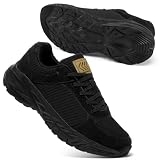
Drier days indoors at The Rooms museum or browsing Duckworth Street shops call for supportive walking shoes. They give your feet relief from heavier boots while handling St. John's famously hilly terrain.

General dampness in St. John's means laundry dries slowly on its own. Quick-dry fabric keeps your base layer functional. This matters when moving between accommodations or spending multiple days on rugged nearby trails.
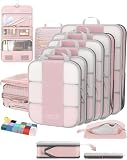
Bulky winter layers and extra sock changes eat suitcase space in St. John's. These cubes maximize luggage capacity. Pack the insulation you need without checking a bag. Useful for shorter regional flights into the city.

This works as versatile layer storage in St. John's. Pack it empty. Use it to carry your down jacket, hat, and gloves when sun breaks through. Use it for souvenirs. Local jams. Scrunchions from the farmers' market.
Electronics & Gadgets

St. John's runs on Type An and B plugs, same as Canada and the United States. Arriving from Europe or the UK, you'll need this adapter. It also gives consolidated charging ports for all devices in your hotel room after long cold days.

Cold temperatures in St. John's drain smartphone batteries fast. GPS use on the East Coast Trail or photos in frosty air accelerates the drain. This power bank keeps your phone alive for navigation back to town or emergency calls where service drops.

Durable, braided cables survive being stuffed in pockets with gloves and coiled in damp conditions. Multiple cables let you charge the power bank, your phone, and your camera simultaneously from one outlet in your St. John's accommodation.
These prove invaluable for the flight to St. John's and for carving quiet space in busy hotels. They double as modern ear protection against the constant, howling wind on coastal paths near the city.
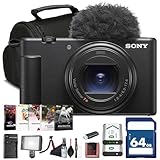
Dramatic light over St. John's harbour, stark iceberg beauty off Cape Spear, and vivid row house hues deserve better than a phone camera. Low-light conditions common in the North Atlantic demand more. A capable compact camera captures these moments without professional gear's bulk.

Long St. John's evenings suit reading by a pub fire or in your cozy room. The Paperwhite's glare-free screen goes easy on the eyes. Battery life lasts. No outlet hunting while lost in local seafaring tales.

Older hotels and guesthouses in downtown St. John's often lack conveniently placed outlets. This strip lets you charge all cold-weather essentials, phone, power bank, camera, headlamp, from one spot near the bed or desk.
Toiletries & Health

This keeps liquids organized and flight-compliant for your trip into St. John's. Clear design smooths airport security. Once in the city, it contains potential leaks from bottles stressed by pressure changes during your flight.

Pack a basic kit. It handles minor cuts from ice or rocky trails, blisters from new winter boots, and headaches from dry, heated air inside St. John's buildings. Immediate care means no pharmacy hunt after small mishaps.
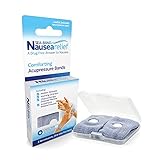
Roads into St. John's from the airport twist and turn. Whale-watching or iceberg boat tours in Atlantic swell get bumpy fast. These non-medicinal bands ease nausea without drowsiness. You stay alert for sightseeing.

Solid bars beat liquids. No spills in luggage from pressure changes on flights to St. John's. They last longer too. Less waste. They lather fine even in mineral-heavy water at local accommodations.

Winter gear for St. John's is heavy. This hard case shields your electric toothbrush from suitcase jostling. It keeps the brush head clean while you explore the city.

Time zones shift. Routines slip. A weekly organizer removes doubt. You know your medications are on hand for full days exploring St. John's in the cold.
Documents & Security
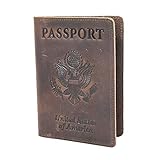
Keep documents together. This holds your passport, boarding passes for flights to St. John's, and other essentials. Protected from weather and electronic theft at crowded spots like the airport or Harbour Drive sites.

St. John's is safe. Still, stash cash and cards under your clothing. Smart move when carrying larger amounts for Water Street souvenirs or the farmers' market.

Lock your checked luggage. Expensive cold-weather gear needs security on flights to St. John's. These also work for hostel lockers or hotel room suitcases.

Drop one in each bag. If your winter coats and boots get delayed on a connecting flight to St. John's, you track it fast. Recovery matters in cold climates.
Comfort & Convenience

Flights to St. John's are often long or multi-leg. This provides essential support. Rest properly on arrival. Hit the ground running despite jet lag. Your first day improves.

Summer daylight stretches forever in St. John's. Thin hotel curtains fail. A good sleep mask blocks the midnight sun. You rest after hiking or driving.

Historic inns in St. John's have thin walls. Fellow travelers make noise. Winds rattle windows. These block both. They also cut wind noise on coastal walks.

Airlines to St. John's skimp on blankets. Bring your own. Good for cold picnics at Signal Hill or outdoor performances in the city.

Markets in St. John's reward spontaneity. Local rum from a distillery. A downtown sweater. Produce from the St. John's Farmers' Market. This bag holds it all. Folds small.
Outdoor & Hiking Gear

The East Coast Trail near St. John's is rough. Rocky, muddy, icy. Trekking poles steady you on steep sections. They cut fatigue. They prevent slips on wet boardwalks or loose stone.
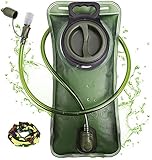
Cool, dry air in St. John's masks thirst. Dehydration sneaks up. A hydration pack lets you drink hands-free. No stopping to unpack on windy cliffside trails.
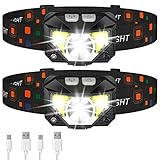
Winter days are short in St. John's. Hikes run long. Paths go dark. A headlamp gets you back. It also helps during storm power outages.

Cell service dies on remote coastline outside St. John's. A loud whistle carries over waves and wind. The compass orients you when trail markers fail.
Seasonal Packing Adjustments
What to add or skip depending on when you visit
Winter
December, January, February, March
Add: Heavyweight insulated parka with hood, Insulated waterproof boots with aggressive tread, Neck gaiter or balaclava, Hand and foot warmers, Ice cleats or traction devices for shoes
Shop Winter essentials →Skip: Lightweight walking shoes, Thin fleece jackets as outerwear
Wind chill bites hard. Exposed skin freezes fast. Get a parka covering your hips. Hood must fit over your hat. Ice cleats help on St. John's icy sidewalks and trails.
Spring
April, May, June
Add: Waterproof rain jacket with pit zips, Waterproof rain pants, Mid-weight gloves, Waterproof backpack cover
Shop Spring essentials →Skip: Heavyweight balaclava, Extreme-category insulated boots
Freezing rain falls. Sleet lingers. Cold stays. A waterproof shell beats extreme insulation. Layer up. Temperatures swing wildly through the day in St. John's.
Summer
July, August
Add: Lightweight waterproof windbreaker, Fleece or light sweater for evenings, Sun hat with strap, Sunglasses
Shop Summer essentials →Skip: Heavy down jacket, Insulated snow boots
Summer means little here. Fog stays dense. Winds stay cool. Sun burns when it breaks through. Carry your windbreaker. Pack a warm layer for St. John's evenings.
Fall
September, October, November
Add: Softshell jacket, Warmer mid-layers like a heavier fleece, Waterproof gloves, Warmer hat
Shop Fall essentials →Skip: Sun hat, Lightweight summer windbreaker
Temperatures plunge fast. Snow arrives early. Hiking near St. John's shines this season. Weather turns sudden. Days shrink. Keep winter gear within reach.
Luggage Recommendation
Bring a water-resistant carry-on spinner and a solid backpack. St. John's hills punish weak wheels. The backpack carries layers, water, and daily finds. Winter visitors may need to check a bag for bulky boots and coats. Use compression cubes. Save space.
Shop Carry-On Luggage on AmazonPro Packing Tips
Practical advice from experienced travelers
Don't Pack
- Skip heavy coats. Summer transit through St. John's rarely needs a parka. Warm spells are brief. The bulk wastes suitcase space.
- Leave formal wear home. St. John's dresses casual and practical. Nice dinners included. One smart-casual outfit covers it.
- Forget beach towels. Rocky beaches near St. John's suit walking, not lounging. Hotels supply towels if you somehow need one.
- Don't pack heavy snacks. St. John's food markets deliver. The St. John's Farmers' Market (Brewery Market) stocks local treats like partridgeberry jam. Grocery stores fill gaps.
- Limit guidebooks. Information centers in St. John's give free maps and solid advice. The Signal Hill center is helpful.
Buy Locally
- Grab a wool sweater or hat from Duckworth Street. Nonia and local artisans sell quality knitwear built for Newfoundland weather. Worth the investment.
- Hit The Outfitters on Water Street for rain gear. They carry brands engineered for wet, windy Newfoundland conditions. Pack this first.
- Buy a local SIM or top-up at Bell Aliant or Rogers downtown. Coverage matters on rural trails beyond St. John's. Don't skip this.
- Pick up ice cleats or microspikes at a St. John's outdoor retailer. Winter conditions turn icy fast here. Be ready.
- Stop by the Newfoundland Weavery for seal skin or leather accessories. These pieces are region-specific. Meaningful souvenirs.
Packing Hacks
- Roll clothes instead of folding to save space
- Pack shoes in shower caps to protect clothes
- Use packing cubes to stay organized
- Keep essentials in your carry-on
Continue Planning Your Trip
More guides to help you prepare
Ready to plan your trip to St. John's?
Now that you've got the research covered, here's where to go next.