Things to Do in St. John's
Salt-crusted cliffs, accordion on George Street, and cod tongues at 2 AM
Top Things to Do in St. John's
Find activities and tours you'll actually want to do. Book through our partners -- no booking fees.


Plan Your Trip
Essential guides for timing and budgeting
Climate Guide
Best times to visit based on weather and events
View guide →Day Trips
The best excursions and nearby destinations worth the journey
Explore day trips →Where to Stay
Best neighbourhoods, hotel picks, and booking tips
Find hotels →Travel Insurance
What's required, what coverage matters, and how to get a quote
Read guide →What to Pack
Climate-specific gear, essentials, and what to leave at home
See packing list →When Should You Visit St. John's?
Tap a month for weather, crowds, and highlights
View full year-round climate guide →Your Guide to St. John's
About St. John's
St. John's hits you like salt spray before you even spot Signal Hill above the narrows. The North Atlantic fog tastes briny on your lips. Downshift your rental up Duckworth's near vertical grades. Fried baloney and screech rewrite your Canada expectations fast. This city never apologizes. Jellybean rowhouses on Gower Street lean like they closed O'Reilly's.
Same pub, noon, fishermen trade stories for dark rum shots. Morning catch from Petty Harbour lands as fish-and-chips at Mallard Cottage. The Atlantic slams the Battery walls hard enough to rattle 200-year-old windows. Downtown St. John's, from Water Street's neon pubs to the Battery's steep wooden stairs, still sets its watch by the harbor clock tower.
George Street bands start at 10 PM sharp. The same fog that hid John Cabot in 1497 swallows the Narrows again tonight. You'll eat better here for the price of a pint than most cities manage for a full meal. That isn't brochure talk. It's why weekend visitors stay for years.
Travel Tips
Transportation: Metrobus day passes from the kiosk outside Scotia Centre on Water Street save your calves. These hills will murder you faster than Atlantic wind. Taxis from the airport quote a flat rate to downtown. That's about double the GoBus shuttle if you book online beforehand. Pocket the difference for screech at Christian's Pub. Staying past September? Download the Metrobus app. Buses run less often. Schedules change without warning when storms roll in from the Grand Banks.
Money: Bring cash. Cards work fine, but Leo's on Hamilton Avenue only takes loonies and toonies. Best fish-and-chips in town. The ATM inside charges fees that'll make you wince. Most spots accept tap-to-pay. Corner stores on Duckworth Street still price to the penny. Your US credit card slaps international fees on tiny purchases. Change money at the airport Scotiabank. The Water Street exchange closes early. If Monday's a holiday, it won't reopen until Tuesday.
Cultural Respect: When someone hands you screech at a kitchen party, drink it. Refusing equals slapping their grandmother. The kiss-on-both-cheeks greeting isn't flirting. Newfoundlanders say hello that way. Even strangers at the Duke of Duckworth at closing time. Don't call them 'Newfies' unless you were born here. Locals use it among themselves. Outsiders get the cold shoulder. If a fisherman at Quidi Vidi starts on the 1992 cod moratorium, settle in. Tales run longer than the Trans-Canada Highway. Interrupting is worse than skipping your tab.
Food Safety: Ches's on Freshwater Road serves fish-and-chips straight off this morning's boats. Too fishy? Send it back. Park your ego for seal flipper pie at Chinched on Queen Street. Locals swear by it. First-timers usually gag. Street hotdogs outside George Street bars are cheap and safe. Safer than late-night poutine. Same vendor since 1994. His steamer runs hotter than July Atlantic water. Tap water tastes like melted glacier. Because it is. Skip the bottles. Drink from the tap like locals do.
When to Visit
June through September is showtime. July averages 20°C (68°F). Feels warmer because the sun sets at 9 PM. You can sip rum on George Street patios until tabs hit mid-range. Prices leap from June to August when cruise ships unload thousands. Hotel rates crater in October. Temperatures drop to 10°C (50°F). The Atlantic starts throwing tantrums.
That's when you meet the real Newfoundland. Fishermen mend nets at Harbour Grace. Storms roll in. Cod tongues sell at budget prices, not tourist-trap rates. January brings -5°C (23°F) days. Winds hit 150 km/h. Eyelashes freeze together. Icebergs drift past Cape Spear. Worth splurging on waterproof boots. May clocks 12°C (54°F).
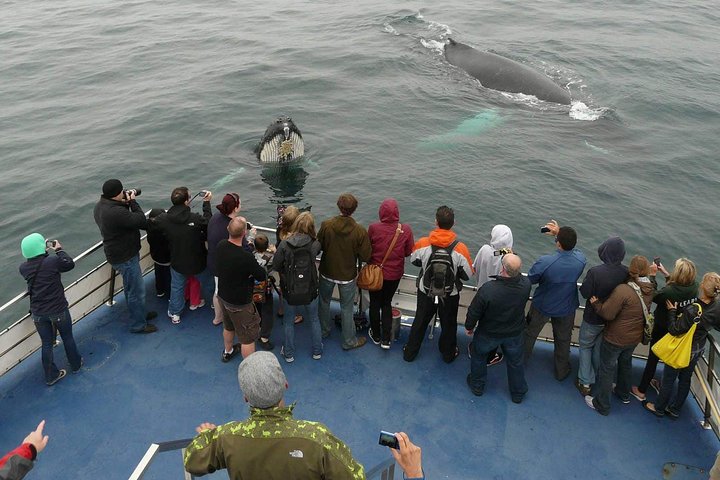
First iceberg sightings appear. Hotel rates stay below summer peak. February blizzards shut the airport for days. The Valentine's Day blizzard of 2020 birthed a bar-crawl still talked about. September gives 15°C (59°F) days. Best whale watching. Hotel rates drop far below August. Humpbacks feed in Trinity Bay before migrating.
Watch from Signal Hill while eating toutons in molasses for pocket change at the café that once stored Cabot Tower's gunpowder.
Frequently Asked Questions
What Are the Best Things to Do in St. John's, Newfoundland?
St. John's delivers a remarkably rich experience for a city of roughly 115,000 people. The absolute highlights are Signal Hill (walk to Cabot Tower for commanding harbour views and a lesson in where Marconi received the first transatlantic wireless signal), Cape Spear (the easternmost point of North America, about 30 minutes from downtown), and a boat tour to Witless Bay Ecological Reserve where Atlantic puffins nest in the hundreds of thousands. Back in the city, the candy-coloured Jellybean Row houses on Gower Street and the electric George Street bar district give you St. John's personality in a single afternoon.
When Is the Best Time to Visit St. John's, Newfoundland?
July and August are the sweet spot for weather, with average highs around 20°C (68°F), long daylight hours, and puffin and whale-watching tours running at full capacity. If iceberg-spotting is your reason for coming, target May through mid-June when bergs drift south along 'Iceberg Alley', though temperatures hover around 10, 15°C so pack layers regardless. St. John's is famously the foggiest and windiest major city in Canada, so a light waterproof jacket is honestly useful any time of year.
Can You See Icebergs from St. John's?
Yes, St. John's sits directly on Iceberg Alley, and during peak season (roughly late April through June) you can sometimes spot bergs from Signal Hill or Cape St. Francis without leaving the city. For a dramatic close-up, operators like O'Brien's Whale and Bird Tours run iceberg-focused boat trips from nearby Bay Bulls, about 30 minutes south. Iceberg timing varies significantly year to year, so check IcebergFinder.com before you book around a specific sighting.
What Is 'getting Screeched In' and Should Visitors Do It?
Getting 'screeched in' is a local initiation ritual where visitors (known affectionately as 'come from aways') kiss a cod, recite a Newfoundland oath, and down a shot of Screech rum, earning them honorary Newfoundlander status. Several George Street pubs and downtown bars run versions of the ceremony, and it's cheerfully touristy in the best possible way. Think of it as a genuine cultural handshake rather than a deep folk tradition, and go in with a sense of humour.
What Should I Eat in St. John's?
Start with fish and chips at Ches's Famous Fish and Chips, a local institution since 1951 that sets a standard hard to beat. Beyond that, look for toutons (pan-fried dough served with molasses), jiggs' dinner (a Sunday salt-beef and root vegetable boil-up), and fresh-caught fish tacos at the newer downtown spots along Water Street. Quidi Vidi Brewery, tucked inside a 200-year-old fishing village within the city limits, is worth the short drive for a pint of Iceberg beer alongside some of the best harbour scenery you'll find anywhere.
How Do I Get to St. John's and Do I Need a Rental Car?
St. John's International Airport (YYT) has direct flights from Toronto Pearson, Montréal-Trudeau, Halifax, and several US gateway cities, flying is by far the most practical way in. A rental car is strongly recommended: downtown is walkable. But Signal Hill, Cape Spear, Witless Bay, and the East Coast Trail trailheads are spread across the Avalon Peninsula and poorly served by public transit. Roads are scenic but winding, so allow more time between points of interest than a map distance suggests.
What Is the East Coast Trail and Which Sections Are Best for Day Hikers?
The East Coast Trail is a 336-kilometre hiking network hugging the sea cliffs and coves of the Avalon Peninsula, with many trailheads accessible directly from St. John's. For a manageable introduction, the Cuckold's Cove trail from Signal Hill is a two-hour loop with impressive cliff views. The La Manche Village trail, roughly three hours each way, rewards with a sea arch, a suspension bridge, and an abandoned settlement. Check the East Coast Trail Association's website (eastcoasttrail.com) for current conditions, as some sections can be muddy or exposed to strong coastal winds.
Is St. John's Walkable, or Do You Need a Car to Get Around?
The downtown core, Jellybean Row, George Street, The Rooms museum, and the harbourfront, is compact and very walkable, and you can cover it comfortably on foot in a few hours. Signal Hill is a steep but doable 20-minute uphill walk from the city centre, or a short drive. Beyond downtown, a rental car makes the difference between seeing the real Avalon Peninsula and staying within a few blocks of your hotel.
What Is the Rooms, and Is It Worth Visiting?
The Rooms is Newfoundland and Labrador's flagship cultural facility, combining the provincial museum, art gallery, and archives under one striking roof on a hillside above downtown. The permanent collection covers everything from the province's pre-Confederation history and Beothuk culture to contemporary Newfoundland artists, and the building itself offers some of the best views over the harbour. Admission is around CAD $10 for adults (check locally for current pricing and hours), and a couple of hours here gives essential context for everything else you'll see on the island.
More Ways to Experience St. John's
Tours, day trips, and local experiences curated by on-the-ground operators.
Didn't see anything interesting yet?
Browse Viator's full catalog of tours, day trips, food experiences, and private guides in St. John's.
See All St. John's Tours on Viator